 January 23 2026
As the global energy sector shifts toward sustainability, the spotlight is now on the environmental impact of power infrastructure. Transformers, which play a critical role in electricity generation, transmission, and distribution, are no exception. Traditionally viewed as heavy industrial equipment, transformers are now being redesigned with efficiency, environmental responsibility, and long-term sustainability in mind.
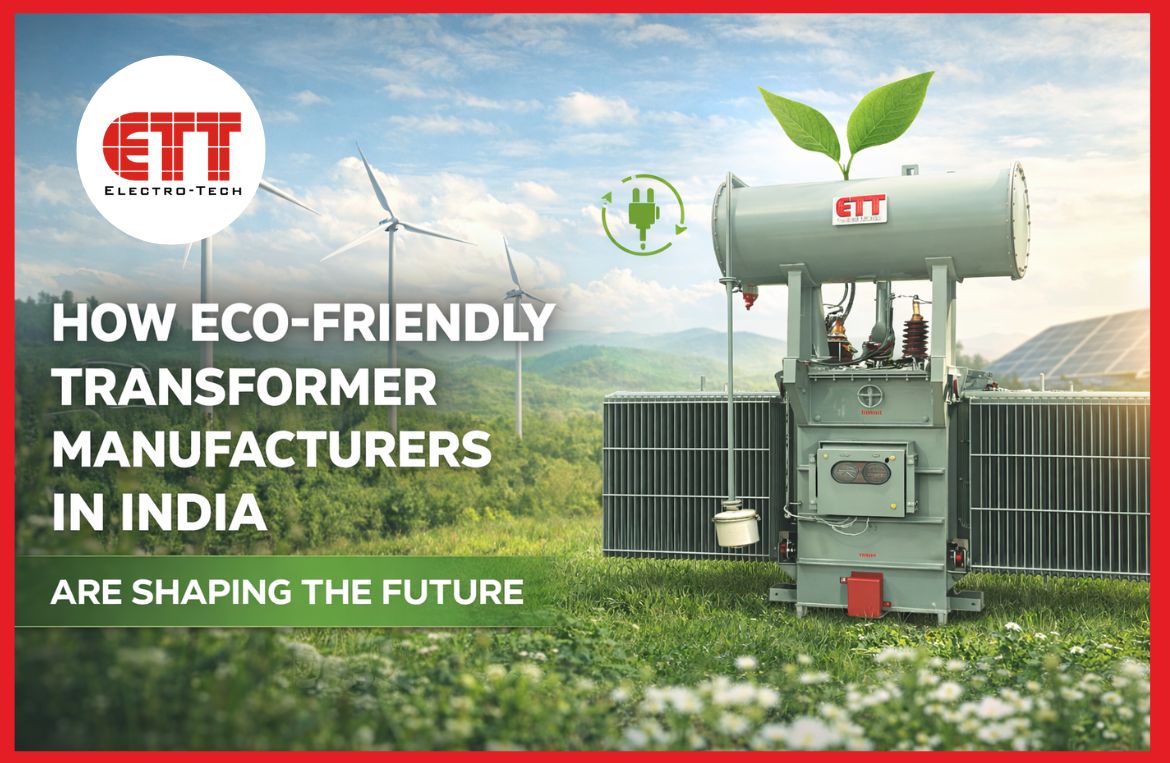
Eco-friendly transformer manufacturers in India are emerging as key contributors to this transition. By combining engineering expertise with sustainable practices, Indian manufacturers are helping utilities, industries, and renewable energy projects reduce losses, emissions, and overall environmental impact.
Power losses, oil leaks, high energy consumption, and material waste have long been challenges associated with conventional transformers. As electricity demand rises and grids become more complex, inefficient equipment not only increases operational costs but also adds to carbon emissions.
Eco-friendly transformers address these challenges by offering:
For countries pursuing clean energy and net-zero targets, sustainable transformers are no longer optional—they are essential.
India has set ambitious renewable energy and sustainability goals, driving change across the power sector. Government initiatives promoting energy efficiency, clean manufacturing, and reduced carbon footprints have created a strong foundation for eco-friendly transformer production.
Indian transformer manufacturers are aligning their operations with:
This alignment positions India as a responsible and competitive supplier of green power equipment.
An eco-friendly transformer is designed to minimize environmental impact throughout its lifecycle—from raw material selection to end-of-life disposal.
Key characteristics include:
These features ensure that the transformer supports both operational efficiency and environmental responsibility.
Indian manufacturers are investing heavily in research, design optimization, and advanced manufacturing technologies to create eco-friendly transformers that meet global standards.
Their approach includes:
This innovation-driven mindset allows Indian companies to deliver sustainable solutions without compromising performance or reliability.
Material selection plays a crucial role in transformer sustainability. Indian manufacturers are increasingly using:
These advancements significantly reduce electrical losses, resulting in lower energy consumption over the transformer’s operational life.
Traditional mineral oils, while effective, pose environmental risks in case of leakage. To address this, many Indian manufacturers are adopting alternative insulating fluids such as:
These fluids offer improved fire safety, lower environmental impact, and better moisture tolerance, making them ideal for urban, industrial, and renewable energy installations.
Eco-friendly transformer manufacturing goes beyond the product itself. Indian factories are increasingly adopting sustainable production practices, including:
Digital monitoring and automation further help manufacturers track resource consumption and improve efficiency across operations.
Indian eco-friendly transformer manufacturers comply with strict national and international regulations, such as:
Compliance not only ensures regulatory approval but also builds trust among utilities, EPC contractors, and global buyers.
Eco-friendly transformers offer long-term advantages across multiple sectors:
These benefits translate into better performance, lower lifecycle costs, and improved sustainability outcomes.
Global demand for sustainable power equipment is rising rapidly. Indian manufacturers, with their cost-effective and compliant eco-friendly transformers, are well-positioned to serve international markets.
Key export advantages include:
As countries invest in clean energy infrastructure, eco-friendly transformers made in India are gaining strong global acceptance.
Despite progress, manufacturers face certain challenges, such as:
However, long-term operational savings and growing market demand continue to justify these investments.
The future of transformer manufacturing in India will be shaped by:
Manufacturers that embrace these trends will lead the next phase of innovation in the power sector.
Eco-friendly transformer manufacturers in India are redefining how power infrastructure supports sustainability goals. By focusing on efficiency, environmental responsibility, and innovation, they are delivering solutions that meet the needs of modern grids and clean energy systems.
As global demand for sustainable power equipment grows, India is emerging as a trusted source of eco-friendly transformers that balance performance, affordability, and environmental care. These efforts are not just shaping the future of transformer manufacturing—they are helping build a cleaner, more resilient energy future for the world

Electro-Tech Transmission Pvt. Ltd was established in the year 2014 with simple beginnings, for large scale impactful power and transformer solutions.
Copyright © 2021 All Rights Reserved.
Powered By
KreativoMarketing and Developed by Vesper Infotech
