 October 22 2025
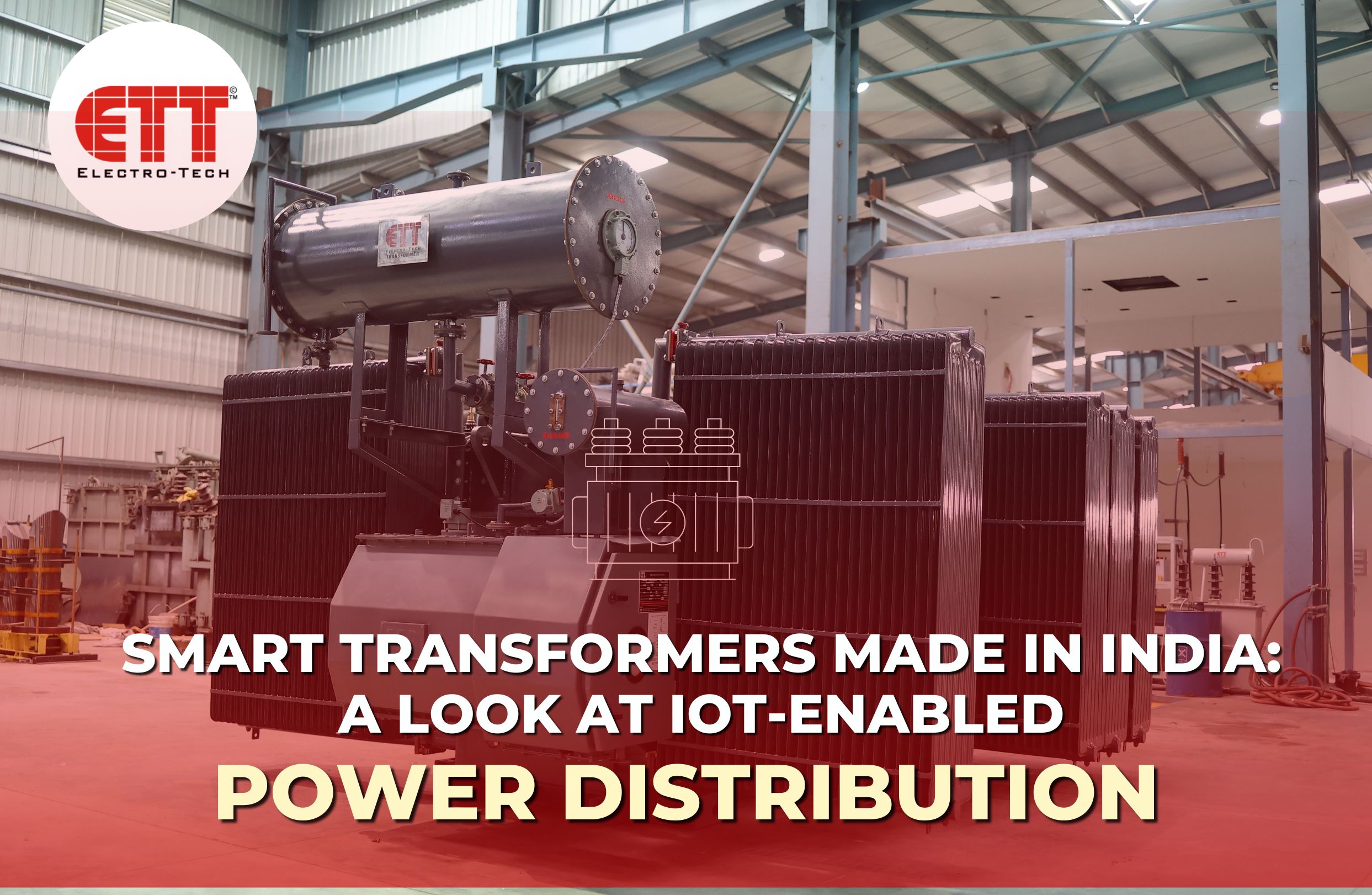
The global energy sector is undergoing a digital transformation, and India is at the forefront of this change. As power demand grows, renewable integration expands, and grid stability becomes more critical than ever, smart transformers have emerged as a game-changing technology. Unlike traditional transformers, these IoT-enabled systems offer real-time monitoring, predictive maintenance, and adaptive control, ensuring that electricity is delivered more efficiently and reliably.
This blog takes a deep dive into how smart transformers made in India are reshaping power distribution, their applications, challenges, and the future they hold for India and the world.
Smart transformers are cutting-edge power systems equipped with IoT sensors, automated controls, and digital communication technologies. They continuously track parameters such as voltage, current, frequency, and load conditions. Unlike conventional units, smart transformers can interact with the grid, provide real-time insights, and optimize operations automatically.
India’s power sector is evolving rapidly. Rising electricity demand, increasing renewable penetration, and the need for reliable power distribution highlight the importance of digital solutions.
Smart transformers address these challenges by offering real-time grid visibility and proactive distribution management.
Smart transformers come equipped with intelligent functions that enhance efficiency, safety, and adaptability:
Indian transformer manufacturers are driving innovation by merging IoT, automation, and energy-efficient design practices into their products. They are:
With cost-effective production and high-quality engineering, India is emerging as a key exporter of smart transformers, catering to both domestic and international demand.
Smart transformers are adaptable and support a variety of use cases:
The adoption of smart transformers unlocks multiple benefits:
While promising, smart transformers face hurdles in scaling:
Government initiatives are accelerating the shift toward smarter power systems. Key efforts include:
With such policies, India’s smart transformer market is poised for rapid growth between 2025 and 2030, opening export opportunities across Asia, Africa, and the Middle East.
India’s transformer industry is entering an era defined by digitalization and renewable synergy. Smart transformers of the future will:
Smart transformers mark a turning point in India’s power sector. They are not just modernized versions of existing systems but a complete reimagining of electricity management, distribution, and reliability. By combining IoT technology, predictive analytics, and cutting-edge manufacturing, Indian companies are building a sustainable and globally competitive future.
As India progresses toward its renewable and digital milestones, IoT-enabled smart transformers made in India will be central to powering industries, cities, and communities at home and worldwide

Electro-Tech Transmission Pvt. Ltd was established in the year 2014 with simple beginnings, for large scale impactful power and transformer solutions.
Copyright © 2021 All Rights Reserved.
Powered By
KreativoMarketing and Developed by Vesper Infotech
