 January 08 2025
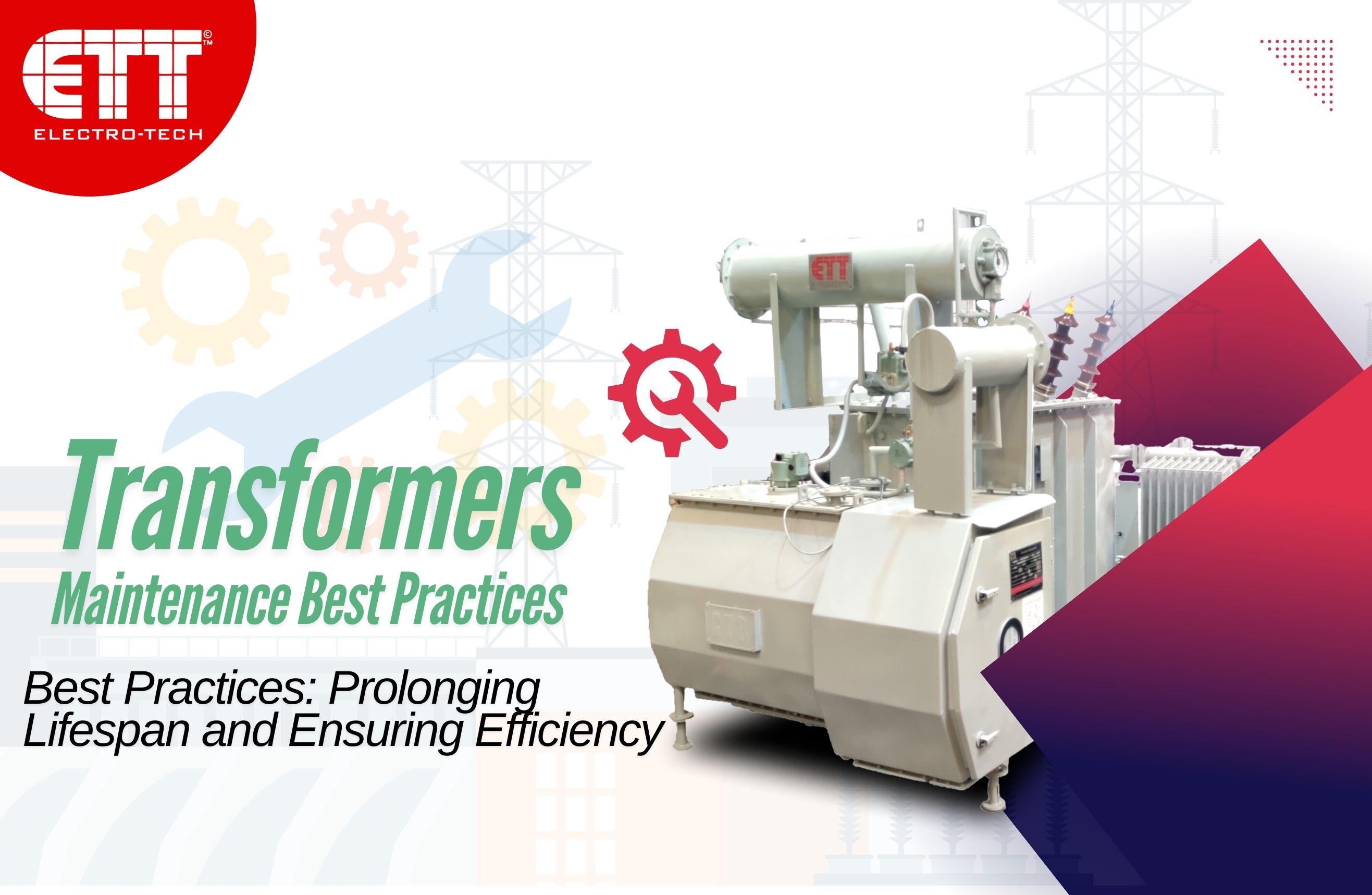
Transformers are critical components of modern power systems, ensuring efficient energy transfer and a reliable supply. Proper maintenance is essential to prolong their lifespan and optimize performance. As a leading Transformer Manufacturer in India, Electro-Tech Transmission Pvt. Ltd. (ETT) offers valuable insights into transformer maintenance best practices. This guide covers essential maintenance tips, common challenges, and how ETT’s expertise ensures transformers run at peak efficiency.
Transformers are designed for long-term reliability, but performance can deteriorate due to aging, environmental conditions, and operational stress. Neglecting maintenance may lead to energy loss, overheating, or failure.
Regular maintenance ensures:
Electro-Tech Transmission Pvt. Ltd. emphasizes preventive care to keep transformers running efficiently for years.
Frequent inspections detect early signs of wear or potential failure. Key steps include:
ETT recommends scheduling inspections at least twice a year to maintain reliability.
Key transformer components requiring regular attention include:
Best practices for preventive maintenance include:
ETT designs transformers with durable components to minimize maintenance needs.
Advanced diagnostic tests can help detect potential issues early:
ETT’s maintenance solutions include access to advanced diagnostic tools for precise assessments.
Older transformers require special attention. Maintenance includes:
ETT provides tailored solutions to extend the operational lifespan of aging transformers.
Transformers in harsh environments require extra care:
ETT manufactures robust transformers designed for tough conditions.
Technological advancements are revolutionizing transformer maintenance:
Working with a trusted Transformer Manufacturer in India ensures access to quality products and expert maintenance. Benefits include:
ETT offers end-to-end maintenance solutions and expert support for reliable transformer performance.
Transformer maintenance is essential to ensuring operational efficiency, safety, and longevity. By following routine inspection schedules, adopting preventive practices, and using advanced diagnostics, businesses can significantly reduce downtime and failures.
Electro-Tech Transmission Pvt. Ltd. stands out as a reliable partner in transformer maintenance, offering high-quality products, expert services, and cutting-edge technologies. With ETT’s support, industries can keep their transformers running at optimal performance for years.
For maintenance solutions or transformer inquiries, contact Electro-Tech Transmission Pvt. Ltd. today.

Electro-Tech Transmission Pvt. Ltd was established in the year 2014 with simple beginnings, for large scale impactful power and transformer solutions.
Copyright © 2021 All Rights Reserved.
Powered By
KreativoMarketing and Developed by Vesper Infotech
